Water reuse: A growing field with new momentum – US tour, data centres, policy frameworks and more
Danielle Francis - WSAA Manager Customer and Policy
Date of publication: 29 April 2026
Water reuse has always been a dynamic and evolving area – now more than ever. WSAA led an Australian delegation on a study tour to the 41st WateReuse Symposium by the US WateReuse Association, in Los Angeles, California in March. WSAA’s tour also covered nine water recycling schemes of different types and stages, including operating groundwater purified recycled water for drinking (PRW) projects, planned surface water PRW projects, industrial reuse projects, education facilities, indirect and direct reuse projects.
To share the learnings from the tour, WSAA will host a webinar on Wednesday 29 July, 12pm AEST with the tour participants as guests. To register, please click here. We will also produce a report capturing the places visited, lessons learned and considerations for Australian and New Zealand utilities. The US is a great source of learning about reuse as several states have relevant regulatory frameworks in place, including for direct potable reuse. This will be an opportunity to reflect on what is changing internationally, what lessons are transferable, and where Australia and New Zealand can continue to lead.
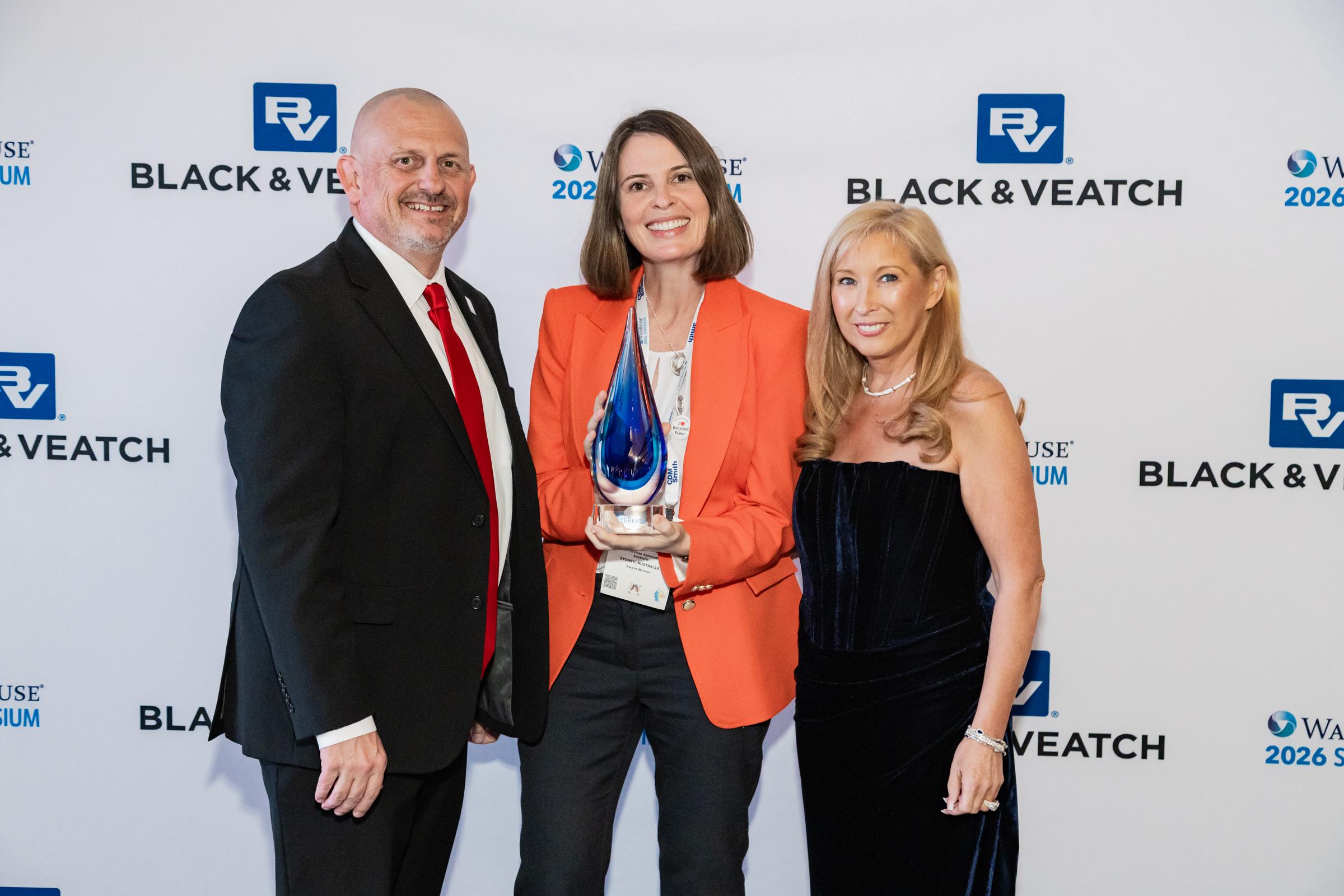
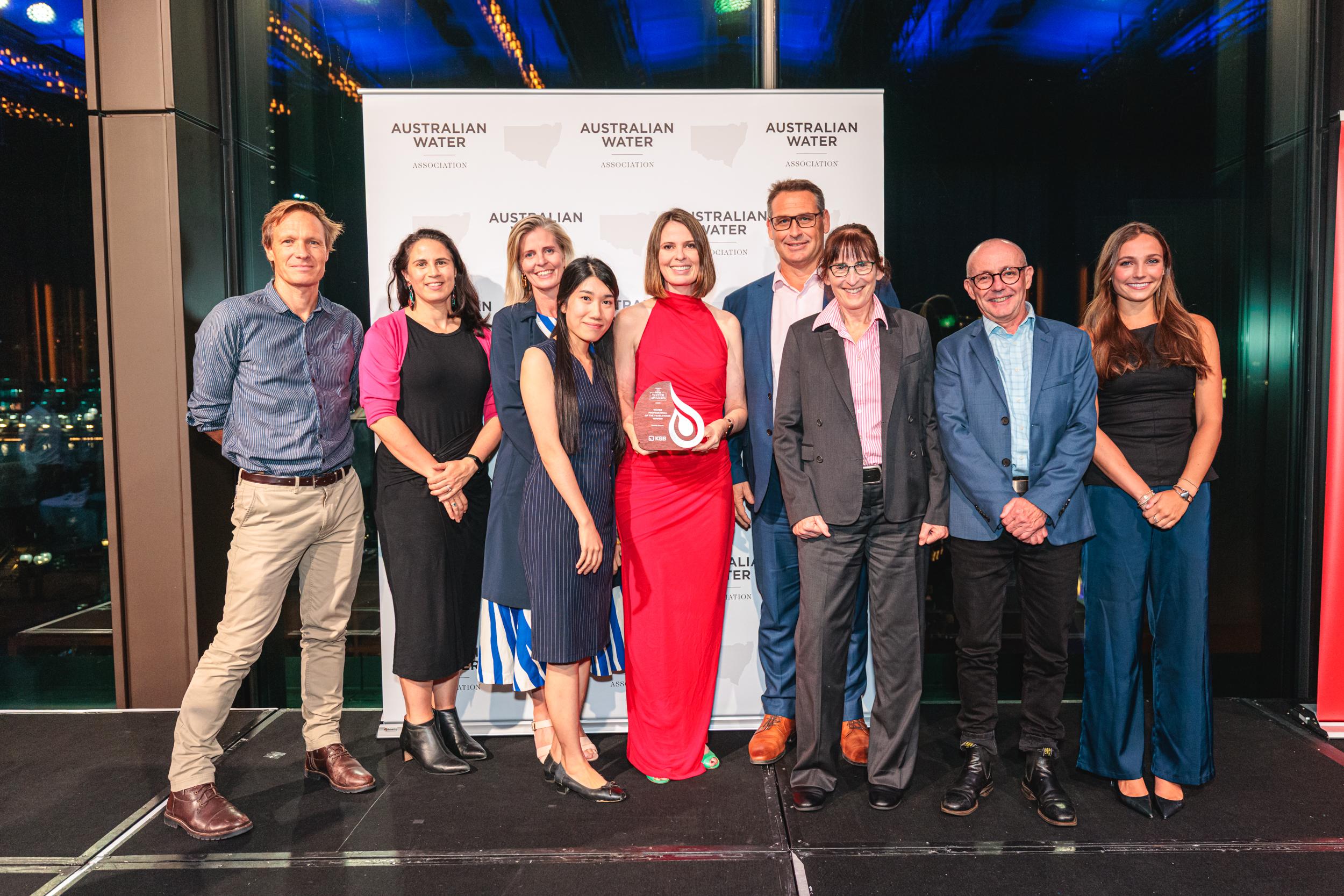
WSAA congratulates Danielle Francis who was presented with the 2026 Advocacy Achievement Award at the Symposium for WSAA’s work developing the global maps of potable reuse. This is a great achievement alongside Danielle being awarded the NSW Water Professional of the Year for 2026 at the Australian Water Association Annual Awards.
New US Water Reuse Action Plan
Policy is also moving quickly. In the United States, the Environmental Protection Agency has recently released the Water Reuse Action Plan or ‘WRAP 2.0’, building on the original national framework for advancing water reuse. The updated plan covers all types and end uses of recycled water, with a strong focus on reuse for industry, the technology sector and energy, including the food and beverage sector, microchip fabrication and data centre cooling applications, and in power and energy production.
.png)
WSAA will host a webinar soon with a US guest outlining the policy framework for water reuse in the US including the new WRAP – details to come next month.
Data centres and reuse
Water reuse is a hot topic in relation to data centres, whose fast expansion is a global phenomenon driving interest in energy, water, land use, cost and planning aspects. These centres are a key emerging opportunity for water reuse, as they are keen to establish quickly in Australia and in many cases, reduce demands on drinking water supplies. WSAA released its paper Data Centres and water in Australia in December, outlining the need for early engagement between data centre proponents and water utilities, transparent reporting of water and energy use, minimum efficiency standards, appropriate cost recovery, and the prioritisation of recycled water and circular economy solutions where feasible.
This is a fast moving policy space with the Federal Government recently releasing Expectations of Data Centres and AI Infrastructure Developers, which align well with WSAA’s policy points. The Expectations include a Sustainable and Efficient Water Usage Expectation, prioritising non-potable water and circular water opportunities where possible, along with early engagement with water utilities, use of efficient cooling technologies, transparent reporting and resilience to drought and climate change.
In NSW, an Upper House inquiry into data centres will also explore these issues, including the impacts of data centre development on energy, water, infrastructure, communities and land use. WSAA made a submission to the inquiry. The NSW Government has also released a Data Centre Consultation Paper seeking submissions on sustainable development of the sector, including water efficiency aspects.
These developments all highlight the increasingly central role water reuse will play in how we plan for growth, resilience and sustainable economic development. WSAA will continue working with members, governments and stakeholders to share evidence, build capability and support policy settings that enable safe, sustainable and fit-for-purpose reuse. 2026 is shaping up as an important year for water reuse.